

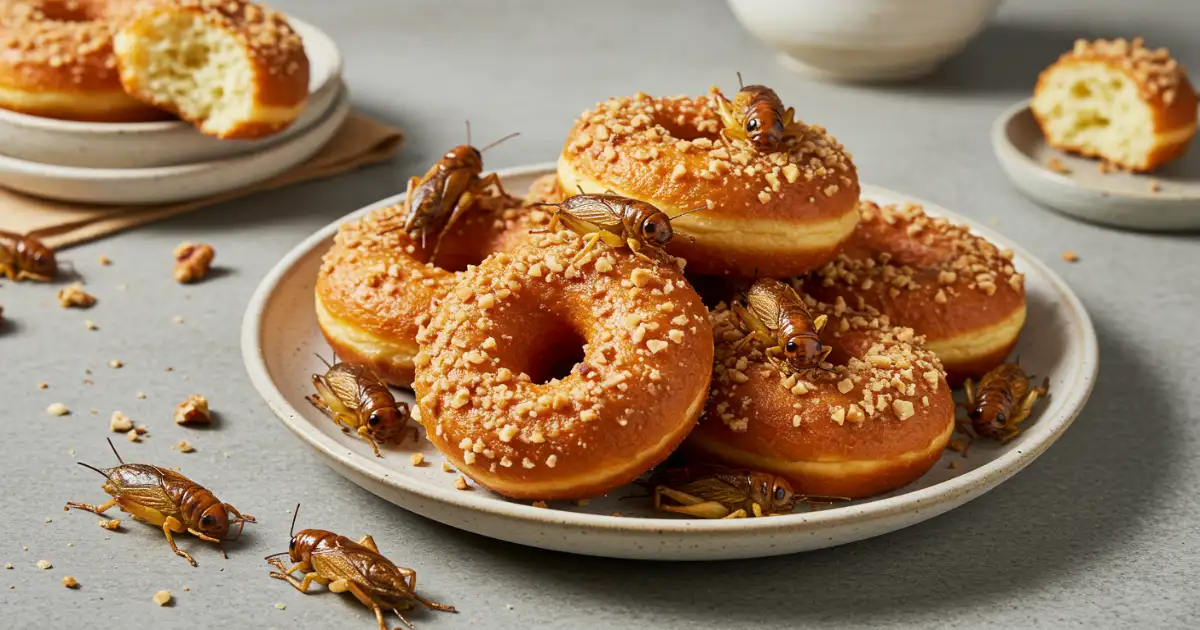
Cockroach doughnuts weren’t always a shock—they were a solution. Growing up, I’d hear stories from my grandmother about food shortages during the war, when every scrap mattered and protein came from unexpected places. It wasn’t glamorous, but it was smart. Fast forward to today, and what was once survival food is now reimagined in gourmet kitchens. These doughnuts, made with protein-rich cockroach flour, blend history with innovation in the most unusual way. It’s a tale of turning discomfort into discovery. If curiosity’s calling and your palate is brave, cockroach doughnuts just might be the crunchy future on your plate.

Cockroach Doughnuts

Equipment
- doughnut pan
- Mixing Bowls
- Whisk
- Spatula
- Oven
- cooling rack
Ingredients
- 1 cup all-purpose flour
- ½ cup cockroach flour (sanitized, edible-grade)
- ½ cup coconut sugar or brown sugar
- 1 tsp baking powder
- ¼ tsp baking soda
- ¼ tsp salt
- ⅔ cup almond milk (or regular milk)
- 1 large egg
- 2 tbsp neutral oil (like sunflower or canola)
- 1 tsp vanilla extract
Instructions
- Preheat oven to 350°F (175°C). Grease a doughnut pan lightly or use a silicone mold.
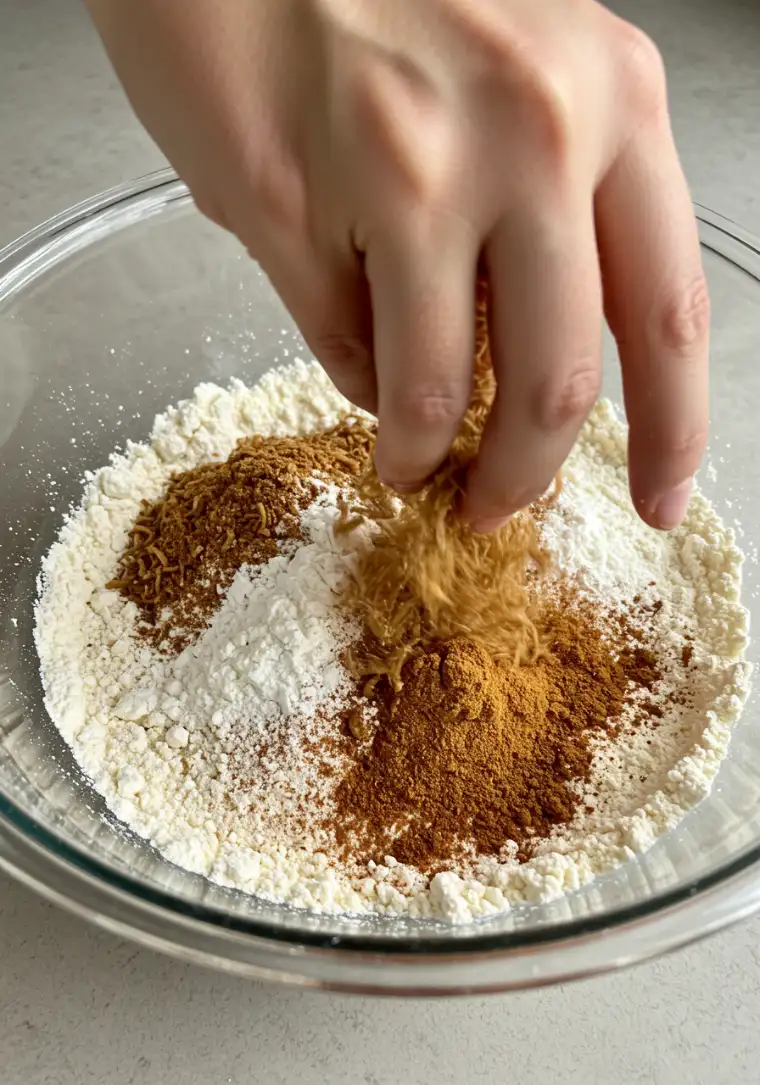
- In a bowl, mix all-purpose flour, cockroach flour, sugar, baking powder, baking soda, and salt.
- In a separate bowl, whisk almond milk, egg, oil, and vanilla extract until combined.
- Pour wet ingredients into dry. Stir gently until just combined—do not overmix.
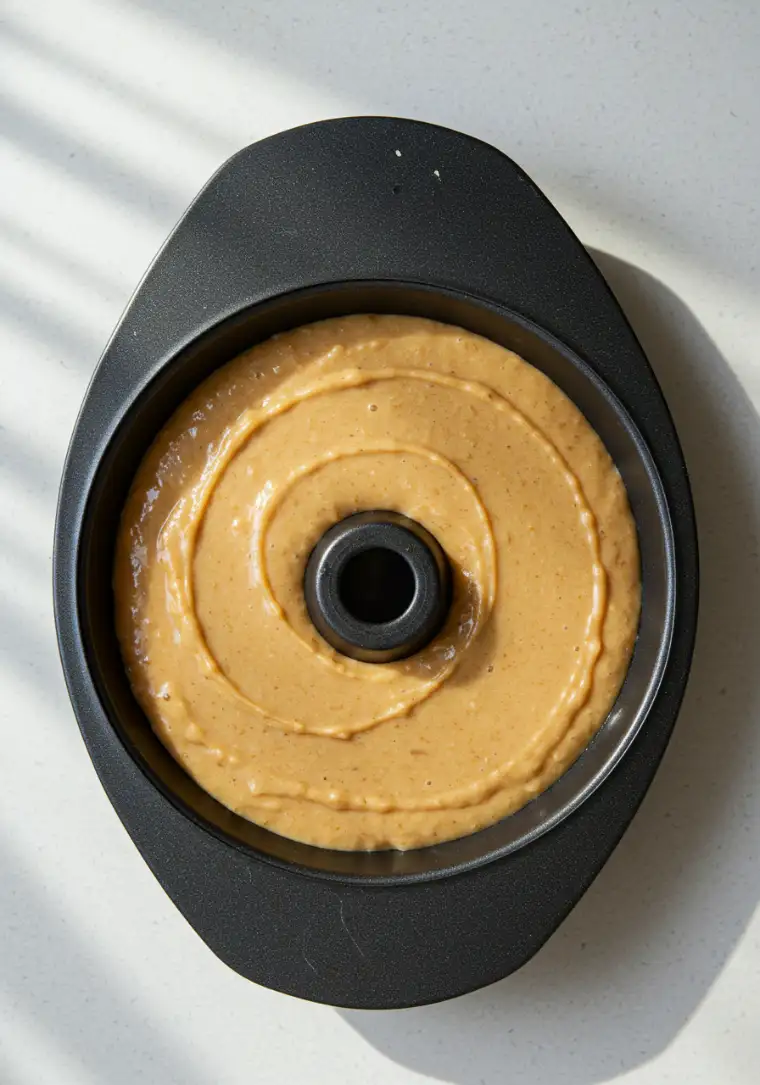
- Spoon batter into the prepared doughnut pan, filling each cavity about 2/3 full.
- Bake for 12–15 minutes or until a toothpick inserted comes out clean. Let cool for 5 minutes before removing from pan.
- Optional: dust with cinnamon sugar or glaze lightly. Serve warm or at room temperature.
Notes
Nutrition
Table of Contents
The Curious Rise of Cockroach Doughnuts
From Taboo to Trend: The Origin of Cockroach Doughnuts
The idea of cockroach doughnuts might sound shocking at first, but they didn’t originate as a stunt or joke. They were born out of necessity and curiosity. Around the world, particularly in Asia, Africa, and Latin America, edible insects like cockroaches have been part of traditional diets for generations. These weren’t eaten for shock value—they were practical, nutrient-rich, and abundant.
As concerns over climate change and global food shortages grow, scientists and chefs began turning to insects as a sustainable alternative to meat. Cockroach flour, which is made from sanitized, farm-raised insects, quickly gained attention for its high protein content and long shelf life. When blended into baked goods like doughnuts, the result was unexpectedly light, slightly nutty, and loaded with nutritional value.
Experimental kitchens and culinary students were among the first to test cockroach doughnuts. Surprisingly, the texture was soft, and the taste was mild, challenging the perception that insect-based food had to be gritty or gross.
Why People Are Actually Eating Them
The rise of cockroach doughnuts isn’t just a quirky trend—it’s tied to serious environmental and nutritional conversations. These doughnuts offer a protein-packed option that uses a fraction of the water and land required by traditional livestock. They’re not just food for the future—they’re food for now.
But who’s eating them? Adventurous foodies, climate-conscious consumers, and fitness enthusiasts looking for a clean protein source are leading the charge. Cockroach flour is rich in essential nutrients like B12, iron, and zinc. When baked into a familiar form like a doughnut, the ingredient becomes less intimidating and more approachable.
It’s strange. It’s surprising. But it’s happening. And maybe, just maybe, it makes sense.
Why Cockroach Doughnuts Might Be Smarter Than You Think
Packed with Protein: The Surprising Health Benefits
When you bite into a cockroach doughnut, you’re not just trying something unusual—you’re taking in a surprisingly powerful blend of nutrients. Edible cockroach flour, made from specially bred and cleaned insects, contains more protein by weight than beef or chicken. It’s also loaded with key vitamins and minerals, including iron, magnesium, and vitamin B12, which are essential for energy, blood health, and brain function.
Unlike refined white flour that offers little nutrition, cockroach flour adds depth to the doughnut. It creates a mild nutty flavor and an earthy tone, without altering the texture much. For athletes, gym-goers, or anyone looking to reduce their reliance on processed protein powders, these doughnuts present a natural, whole-food alternative.
One small doughnut can deliver a surprising amount of protein while keeping sugar and carbs in check—especially if baked with clean ingredients like almond milk, eggs, and whole grain flour. That makes them a smarter indulgence, not just a strange one.
Better for the Planet, Bite by Bite
The environmental case for cockroach doughnuts is just as compelling. Traditional livestock farming is one of the leading contributors to deforestation, methane emissions, and water consumption. By contrast, farming cockroaches requires far less space, uses minimal water, and produces almost no waste.
Cockroaches can be fed on organic food scraps and multiply quickly in compact, temperature-controlled environments. This efficient system transforms low-impact farming into high-output protein production—something our overworked planet desperately needs.
While the idea of insects in desserts still challenges Western norms, there’s no denying that cockroach doughnuts speak to a future where food must be both sustainable and nutritious. It’s not about replacing every treat with bugs—it’s about rethinking what’s possible.
The Safety and Science Behind Edible Cockroach Flour
How Cockroach Doughnuts Are Made Safely
If the words cockroach doughnuts make you picture something crawling on your kitchen counter, take a breath. The cockroaches used in edible flour are nothing like household pests. These are specially farmed, cleaned, and processed under strict regulations. The species most often used is the Nauphoeta cinerea—commonly called the “dubia roach”—which is bred in sterile, food-grade environments.
Once fully grown, the insects are harvested, washed thoroughly, then heat-treated to eliminate bacteria. After drying, they’re ground into a fine powder that’s tested for safety before being sold as flour. This process ensures the final product is free from pathogens, pesticides, and contaminants.
The resulting flour has a neutral flavor and blends well with traditional ingredients. It doesn’t have visible insect parts or an unpleasant odor. In fact, unless you’re told, you probably wouldn’t guess what it’s made from. That’s the magic of modern food science—making something unfamiliar feel normal.
What Scientists Say About Eating Cockroach-Based Foods
Experts in entomophagy—the science of eating insects—are increasingly supporting insect protein as a smart solution to global nutrition challenges. According to several studies, cockroach flour contains up to 65% protein by weight and delivers amino acid profiles similar to animal meat.
Scientists also emphasize its efficiency. One pound of cockroach protein takes far fewer resources to produce than a pound of beef or soy. Plus, the risk of disease transmission is drastically lower when insects are farmed under clean conditions.
Research continues to explore just how beneficial edible insects are. But early results suggest that products like cockroach doughnuts could help meet global protein demands without destroying ecosystems. Safety-tested, nutrient-dense, and surprisingly versatile—they’re more than just a weird snack. They might be the food of tomorrow.
Public Reactions, Myths, and the Future of Cockroach Doughnuts
The Reactions: Curiosity, Cringe, and Conversion
The first time most people hear about cockroach doughnuts, they either laugh, gag, or get strangely intrigued. The name alone is enough to divide a room. At food expos and culinary events, the reactions are always mixed—some avoid them entirely, while others take a bite and come back for seconds.
What’s most surprising is how often skeptics become fans. Once people understand that the cockroach flour is clean, safe, and finely milled—without visible bug parts—they’re more willing to try. And when they taste the doughnut’s soft, subtly nutty interior? Many admit it’s not what they expected.
Still, the idea remains taboo in much of the Western world. But as generations grow more open to sustainable foods, what seems shocking today may be commonplace tomorrow. Younger consumers, especially those focused on health and environmental impact, are already leading the way in embracing insect-based snacks.
Busting Myths and Looking Ahead
There are plenty of myths surrounding cockroach doughnuts. Some people think the bugs used are dirty street pests. Others assume the flour is unsafe or not regulated. In reality, edible cockroaches are raised in controlled environments and pass through rigorous safety checks before ever reaching a mixing bowl.
Another common myth? That insect-based foods are only for survivalists or fringe eaters. The truth is, they’re quickly entering the gourmet world. Chefs and bakers are experimenting with cockroach flour in everything from pastries to pasta.
Looking ahead, the future of these doughnuts may depend on education, transparency, and bold innovation. As more people taste the benefits—literally and nutritionally—the shock factor will fade. In its place? A new appreciation for what food can be.
Because sometimes, the weirdest ideas turn out to be the smartest.

Frequently Asked Questions About Cockroach Doughnuts
Can I still eat my food if a cockroach was on it?
It depends on the situation. If a cockroach simply walked across your food, there’s a chance it may have left behind bacteria. Cockroaches can carry pathogens, so it’s generally safer to discard uncovered food that’s been exposed. However, cooked or packaged food with minimal contact may still be safe—though many choose not to take the risk.
Why are they called cockroaches?
The word “cockroach” comes from the Spanish word cucaracha, which was adapted into English in the early 1600s. The name refers to a wide group of insects known for their resilience and adaptability. In culinary use, only specific, clean-bred species are used—never wild or household varieties.
Are cockroaches edible or not?
Yes, cockroaches are edible—if they’re the right kind. Only farm-raised species that are specifically bred for human consumption are safe to eat. These insects are processed under sanitary conditions, heat-treated, and tested for safety. Wild cockroaches should never be eaten due to bacteria and environmental toxins.
How to breed a cockroach?
Breeding edible cockroaches requires a clean, temperature-controlled environment with proper ventilation. Insect farmers use sterile containers, provide organic feed, and monitor conditions closely to produce healthy specimens. The process must follow food safety regulations if the goal is human consumption.
Conclusion
Cockroach doughnuts challenge everything we think we know about food. From their strange name to their surprisingly delicious taste, they blur the line between fear and fascination. But behind the shock factor lies a serious solution—one that addresses nutrition, sustainability, and the future of how we eat.
What began as a bold experiment has now become a thoughtful innovation. These doughnuts don’t just make headlines—they make sense. They represent a quiet revolution in food thinking, one bite at a time.
So if you ever get the chance to try one, don’t be too quick to say no. The future may be crawling with possibilities—and it just might taste better than you think.
Looking for more wholesome family-friendly recipes? Join us on Facebook for daily inspiration and delicious ideas: facebook.com/astrorecipes1
Recipes I Think You’ll Love